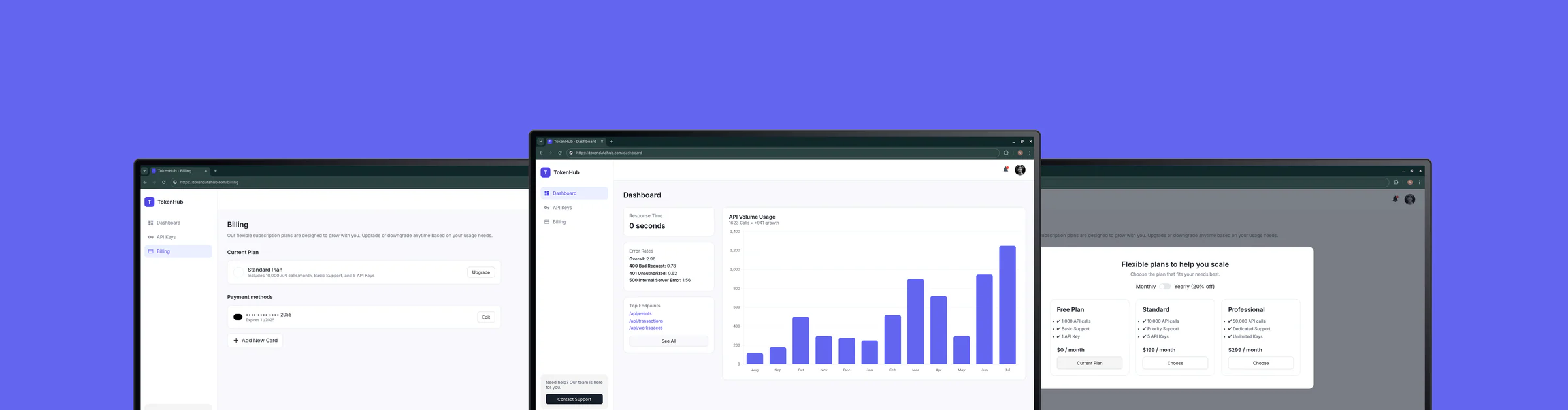
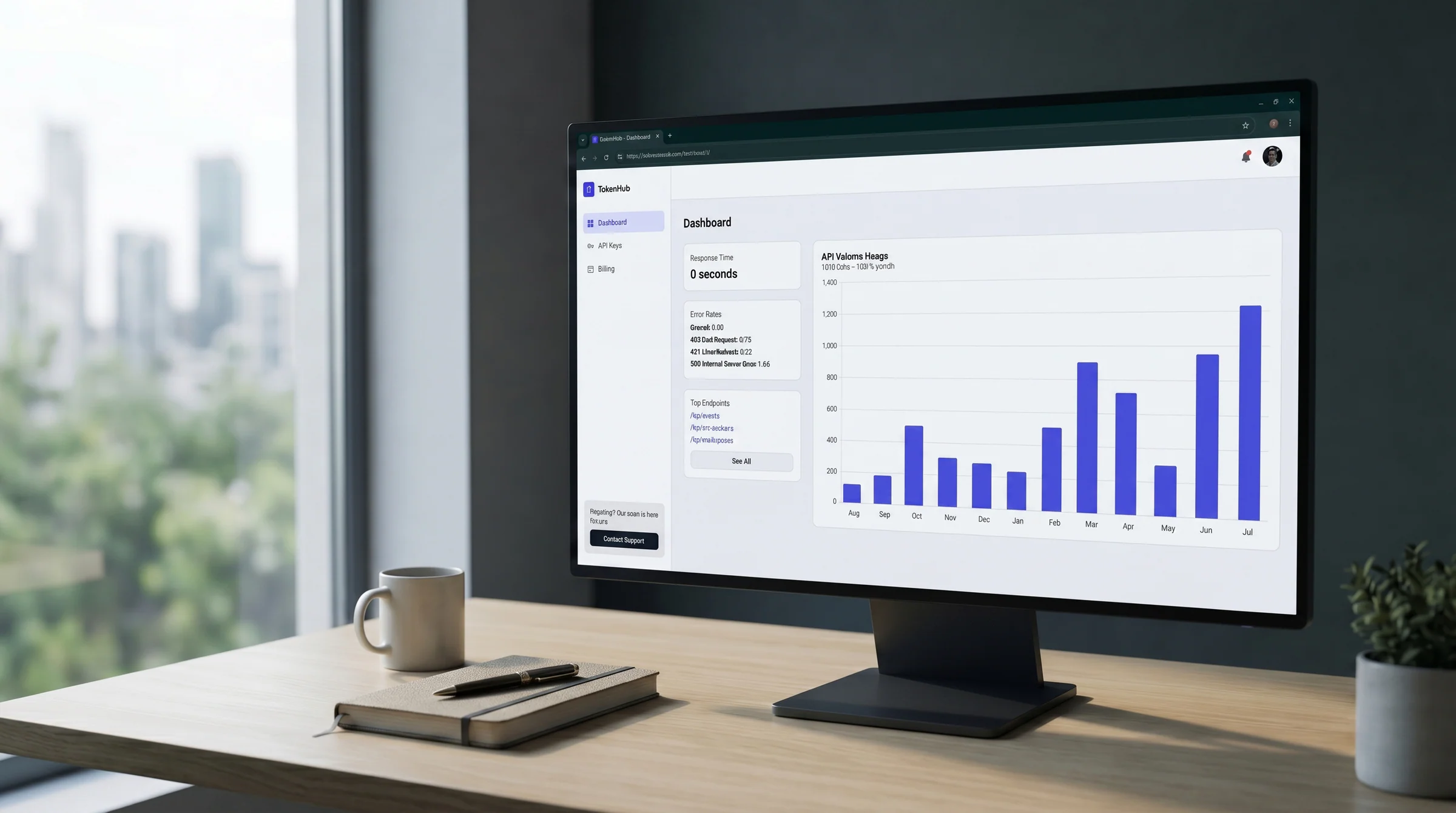
TokenData Hub needed a comprehensive platform for enterprise-grade RWA tokenization intelligence across multiple asset classes. The challenge was not a single app, but a connected system that could ingest market data at scale, expose lightweight APIs, support secure subscriptions, and deliver sub-second analytics to developers, analysts, enterprises, and investors.
TokenData
Hub
A four-component RWA tokenization intelligence platform that unifies enterprise-grade ingestion, API delivery, developer self-service, and sub-second analytics across stablecoins, private credit, and real estate.
The full picture, at a glance
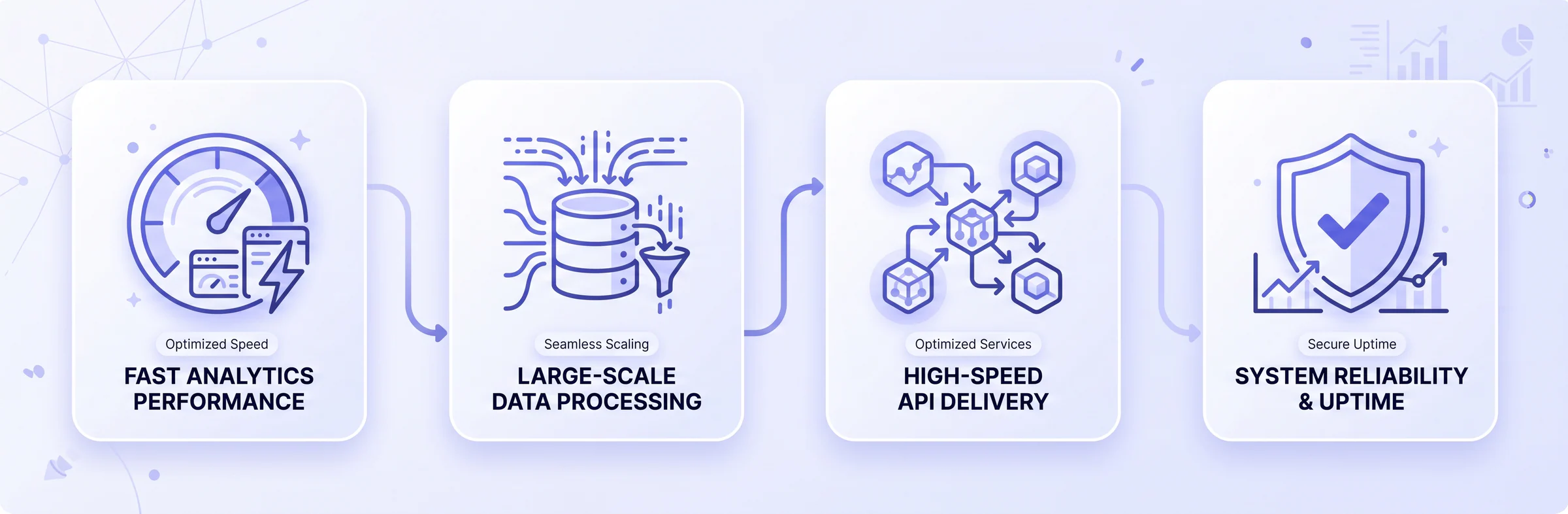
Sifars built a four-component ecosystem from the ground up: a stablecoin data ingester powered by PostgreSQL and Drizzle ORM, a microservice gateway for high-speed API delivery, a developer portal with Auth0 and Stripe, and a Clutch Web UI with Highcharts, data grids, and mapping. Together they create one secure, scalable source of RWA intelligence.
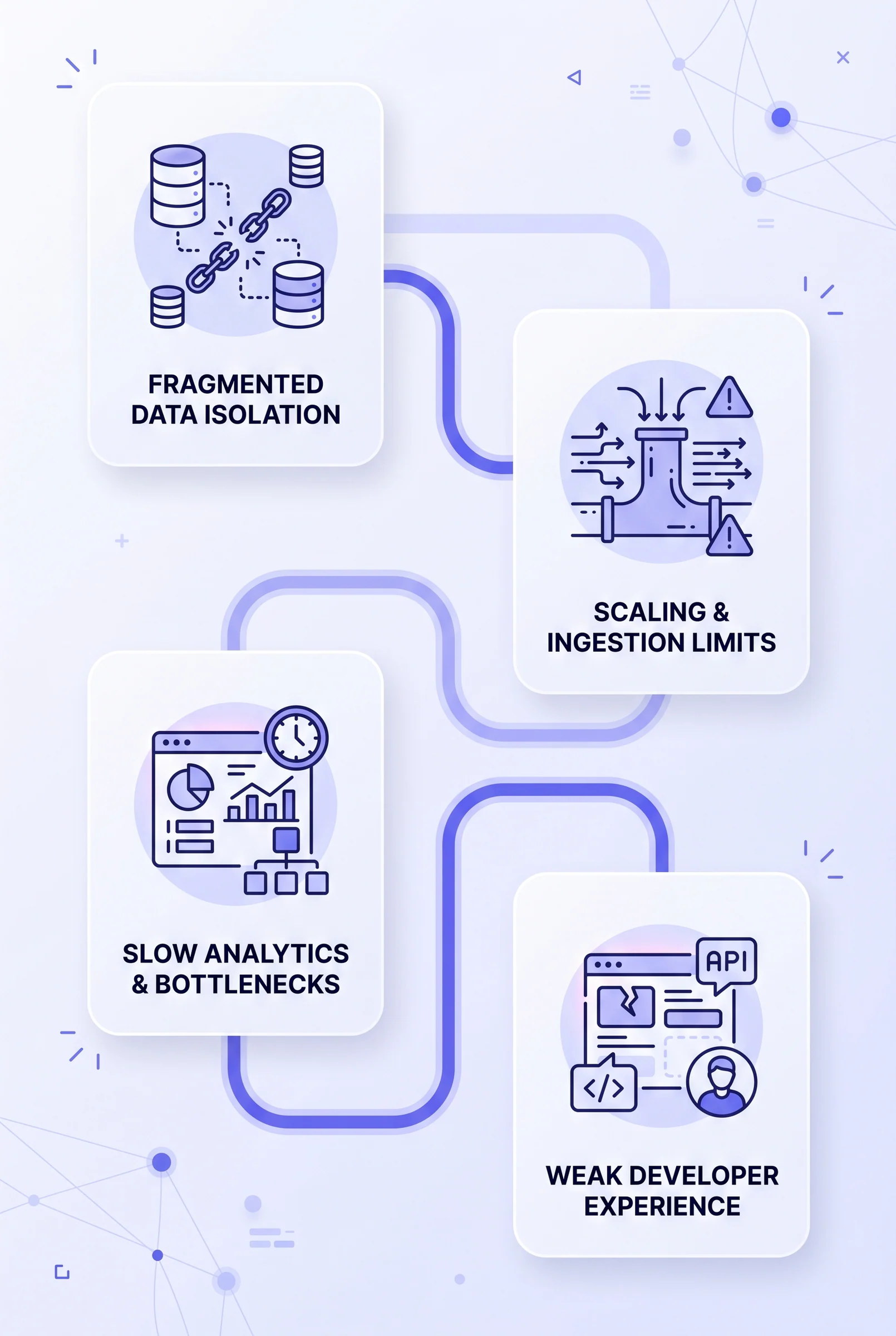
Four blockers slowing RWA intelligence at scale

Fragmented RWA data and no unified intelligence layer
Stablecoins, private credit, and real estate data lived across disconnected sources, chains, and formats. Without a shared system, teams had no reliable way to normalize data, compare asset classes, or expose one trusted intelligence layer to users.
Ingestion and persistence could not keep up with scale
Processing 300+ stablecoins required resilient ingestion, clean persistence, and type-safe access patterns. Existing approaches could not maintain real-time freshness, reliable normalization, or database performance for complex market analysis.
Slow analytics and monolithic performance limits
Analytics queries were too slow for interactive product usage, and a tightly coupled architecture made it difficult to optimize each system independently. That blocked sub-second dashboard exploration and limited API responsiveness under load.
Weak self-service, billing, and visualization experience
Developers still depended on manual support for account setup, API access, and subscription handling, while analysts lacked a strong visualization layer for cross-asset exploration. The result was friction at every stage of adoption and usage.
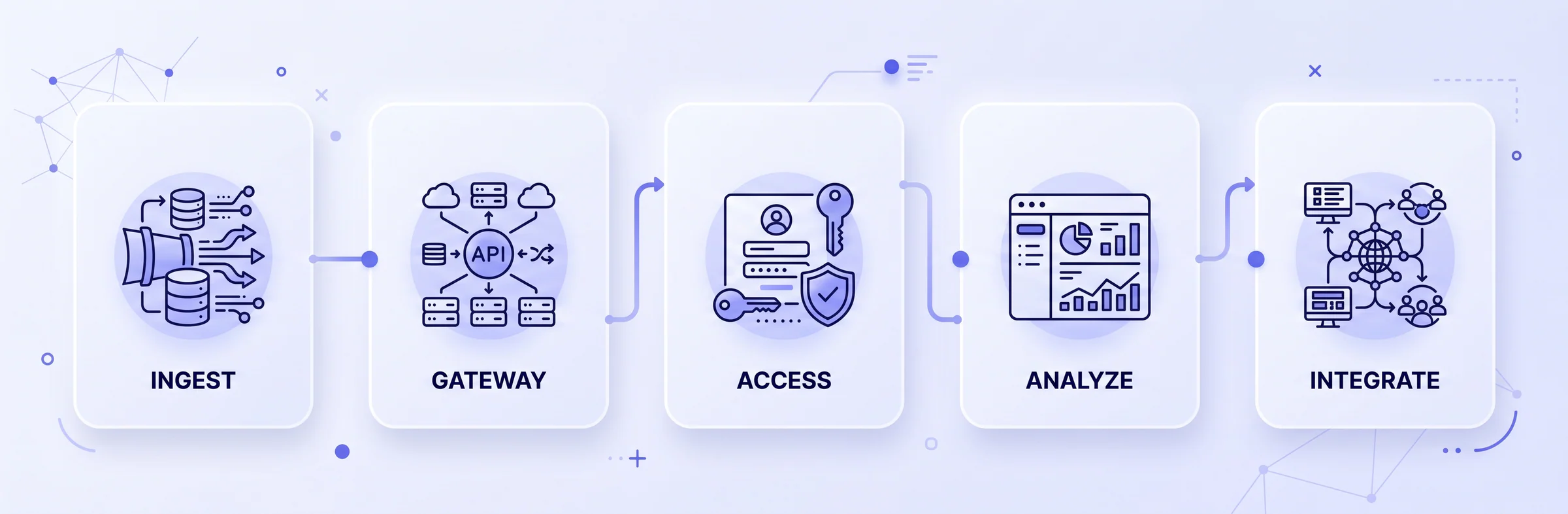
The 5-step intelligence loop
From ingestion to developer access and analytics, each component plays a focused role while feeding the same RWA intelligence pipeline.

Ingest
The stablecoin ingester continuously pulls, normalizes, validates, and persists market data for 300+ stablecoins into PostgreSQL using Drizzle ORM.
Gateway
A lightweight microservice sits on top of the normalized data layer to deliver optimized API responses with much lower latency than a monolith.
Access
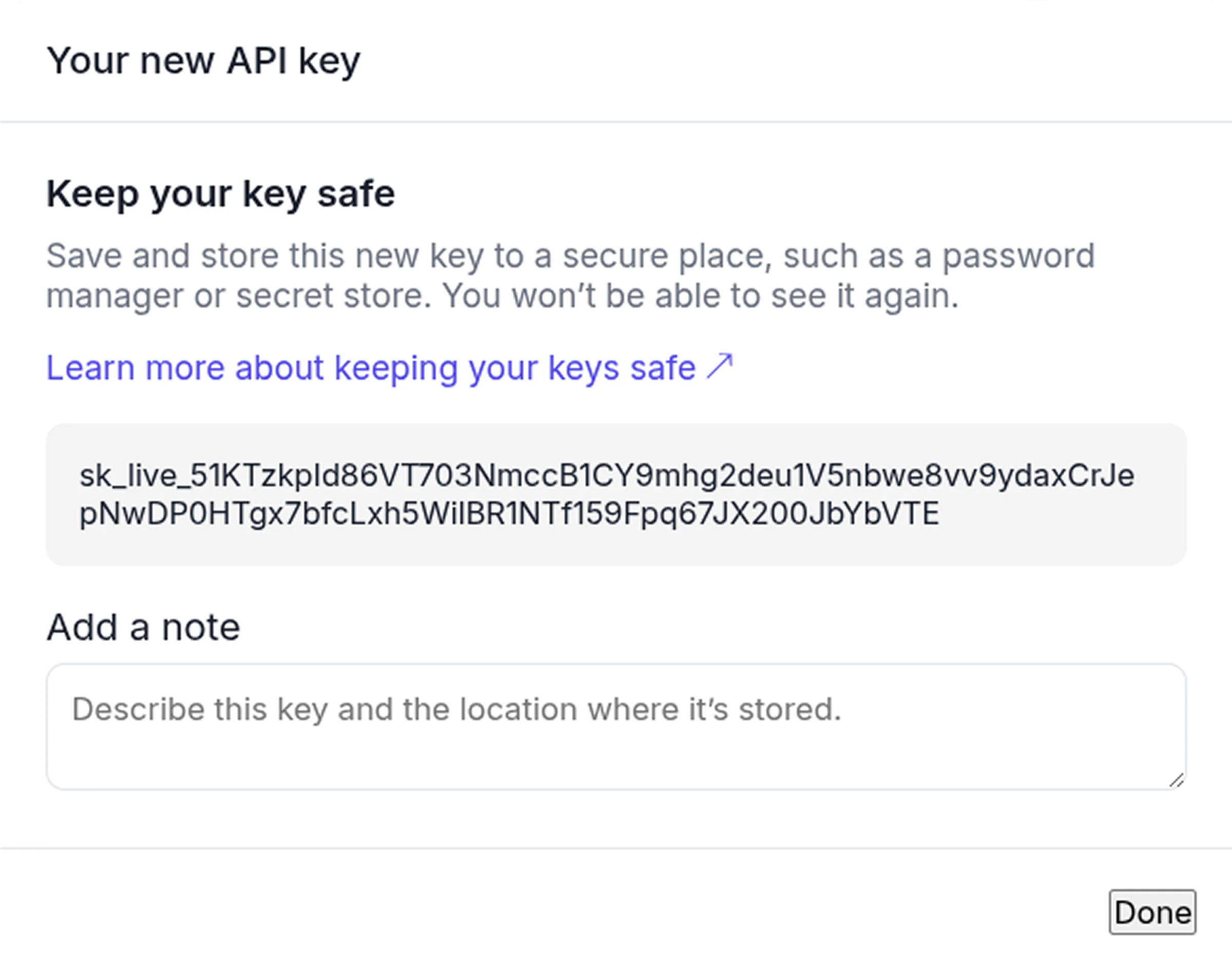
Developers sign in through Auth0, generate keys, manage subscriptions with Stripe, and monitor usage without waiting on manual support workflows.
Analyze
The Clutch Web UI turns the same data foundation into sub-second analytics with Highcharts, data grids, and cross-asset exploration views.
Integrate
Developers, analysts, enterprises, and investors all consume the same intelligence foundation through APIs and dashboards, while Docker and Azure Pipelines keep releases reliable.

Six core platform layers
Stablecoin ingestion backbone
The ingestion layer continuously processes 300+ stablecoins from multiple sources, normalizes records, and persists everything into PostgreSQL through Drizzle ORM. That foundation gives the platform one trusted, queryable source of market truth without forcing downstream teams to reconcile messy inputs themselves.
Microservice API gateway
A dedicated microservice exposes lightweight API access on top of the normalized data layer, which keeps response times fast and lets API traffic scale independently from ingestion and analytics workloads. This separation is what unlocked the 10x performance jump over a monolithic approach.

Developer onboarding and secure access
The developer portal handles sign-in, route protection, token refresh, and secure entry into the platform so users can move from registration to authenticated usage in minutes. Auth0 gives the team a hardened identity layer while reducing the support overhead of manual onboarding.

API keys, subscriptions, and usage control
Self-service key management, subscription checks, and usage visibility give developers autonomy without weakening access control. The portal combines Auth0, Stripe, and Moesif so teams can issue credentials, validate entitlement, and understand product usage through one workflow instead of scattered admin steps.

Billing and monetization operations
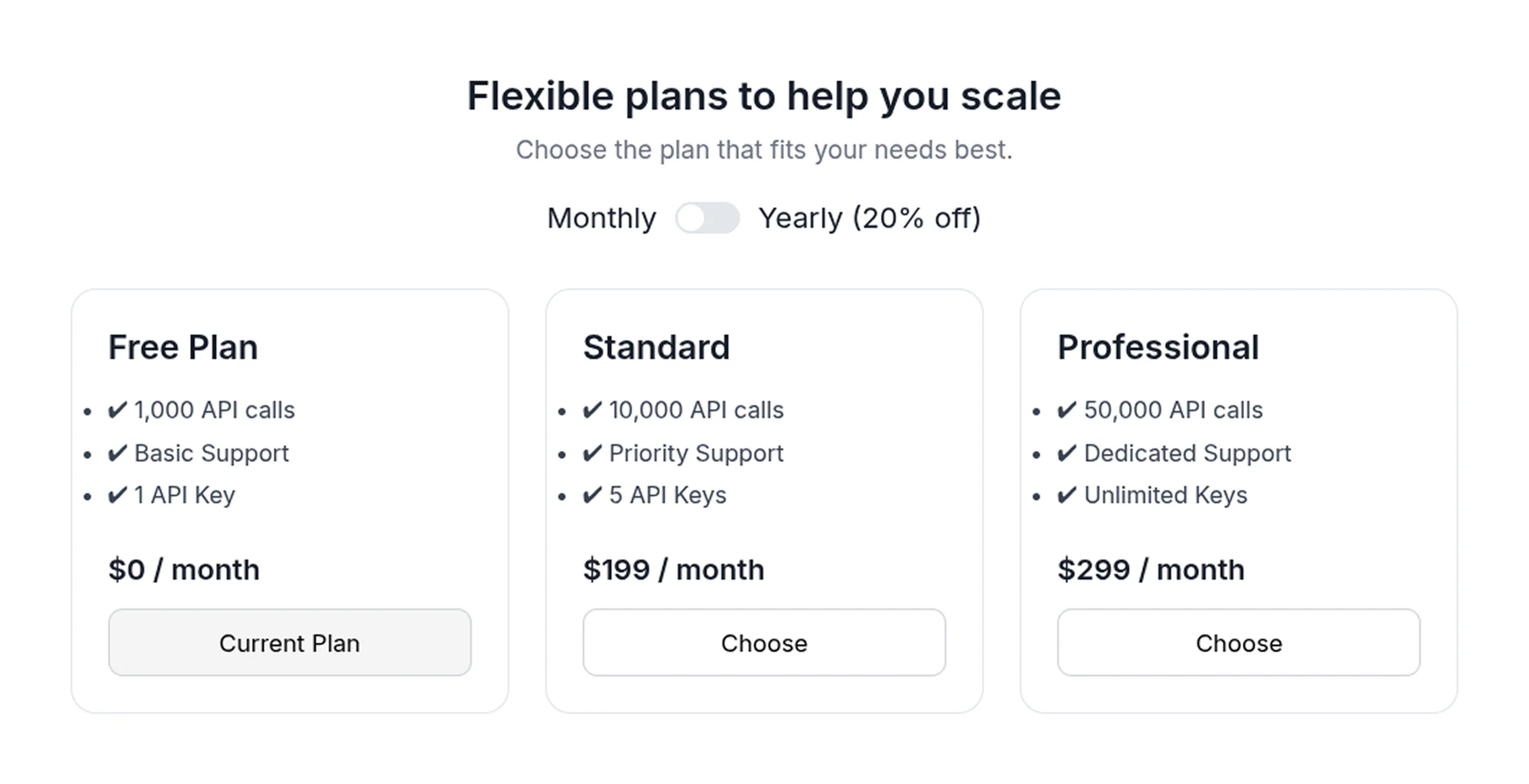
Stripe-powered billing turns platform access into a clean commercial workflow with plans, upgrades, payment handling, and subscription enforcement tied directly into product access. That removes manual billing friction and lets monetization scale with the same reliability as the rest of the system.

Analytics dashboard and multi-asset intelligence
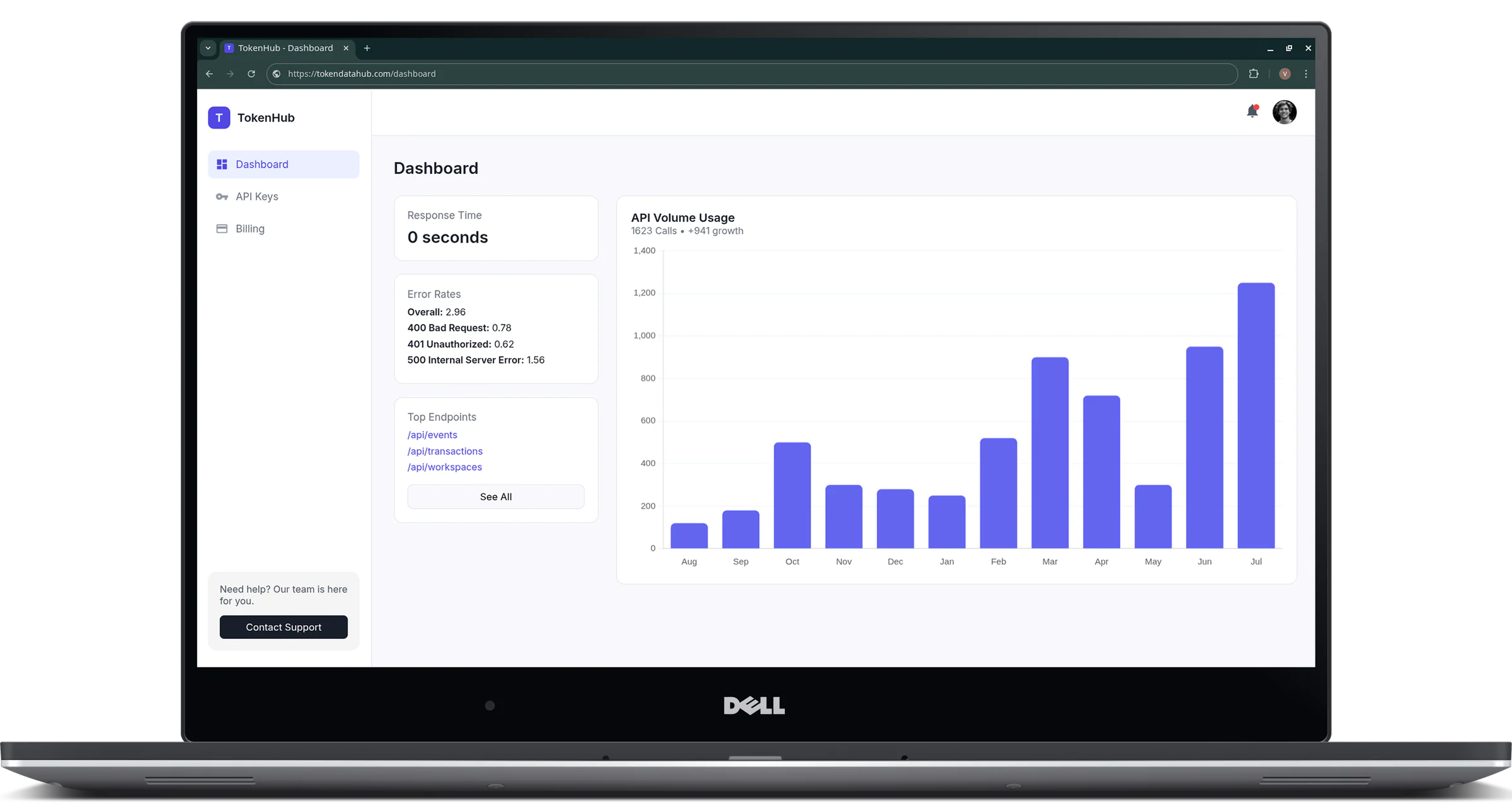
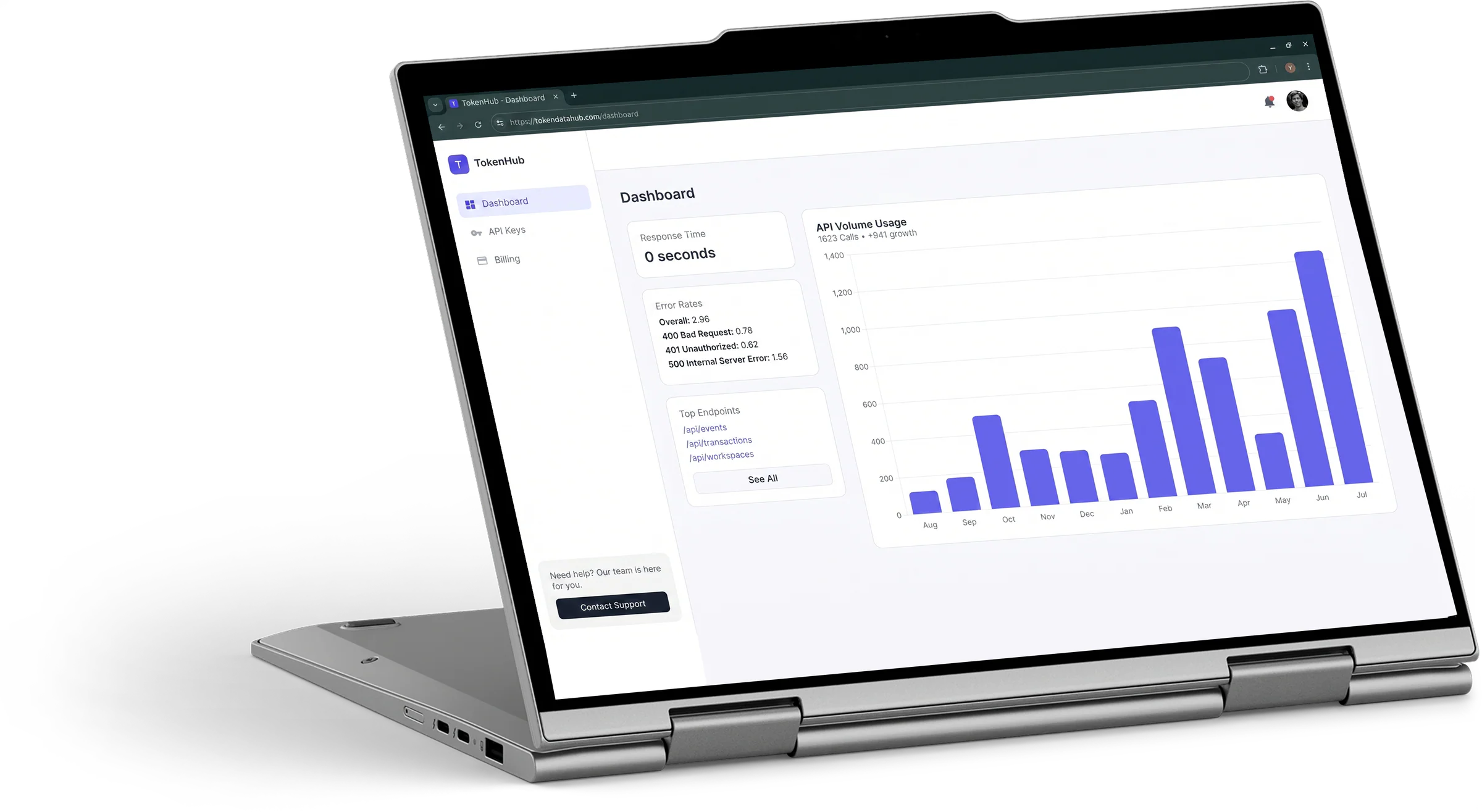
The Clutch Web UI turns the same data foundation into a product-grade analytics experience with Highcharts, data grids, and multi-asset visibility across stablecoins, private credit, and real estate. It gives analysts and investors one place to explore market intelligence with the speed needed for real product usage.
Measured platform impact
The rebuilt ecosystem improved product speed, reduced dependency on manual support, and gave TokenData Hub a more scalable operating model for both developers and analysts. Faster APIs, sub-second analytics, and self-service access turned a fragmented experience into a reliable intelligence platform.

Why this architecture matters
Independent scaling across the four components
Separating ingestion, gateway, portal, and analytics lets each part evolve and scale according to its own workload instead of forcing the whole platform through one monolithic bottleneck.
Secure access and subscription enforcement
Auth0, Stripe, route guards, and API validation work together to protect premium access while keeping the developer experience fast and largely self-service.
Reliable CI/CD and deployment discipline
Dockerized builds and Azure Pipelines create a repeatable release process that supports rapid iteration without sacrificing uptime or environment consistency.
A foundation for broader RWA coverage
Because the platform is built around normalized data, reusable APIs, and a shared analytics layer, it is positioned to absorb new asset classes and product surfaces without major rework.

Built on best-in-class infrastructure
"The four-component RWA Tokenization Intelligence Platform transformed how we deliver comprehensive RWA analytics. What was once fragmented data across multiple sources is now a unified ecosystem with enterprise-grade ingestion, microservice APIs, self-service developer access, and sub-second analytics — enabling developers, analysts, enterprises, and investors to access RWA intelligence across stablecoins, private credit, and real estate. This is the foundation for scalable RWA intelligence operations."